
Hybrid Nissan e-POWER: how it works vs. conventional hybrid
Hybrid Nissan e-POWER: how it works vs. conventional hybrid
Posted on August 3, 2026
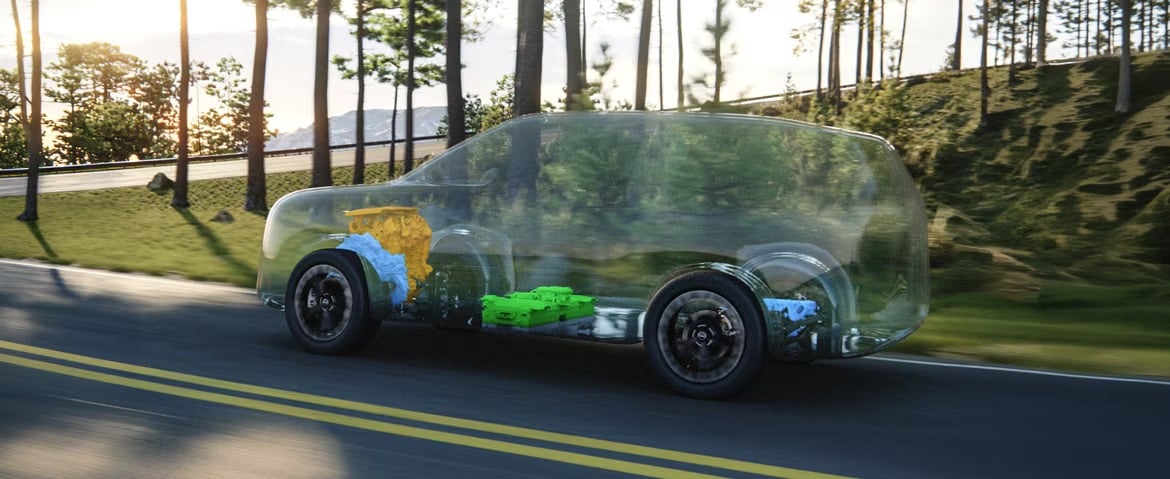
The Nissan e-POWER hybrid drives like an electric car, without ever needing to be plugged in. Here is the core idea: electric motors always spin the wheels, while the gasoline engine works only as a generator to produce electricity. A Nissan e-POWER hybrid is, therefore, not a traditional hybrid, where the gasoline engine can also drive the wheels. For a driver in Ottawa or Hawkesbury, that means immediate torque, a quiet ride, and no charging anxiety.
At a glance
The Nissan e-POWER hybrid drives like an electric car, without ever needing to be plugged in. Here is the core idea: electric motors always spin the wheels, while the gasoline engine works only as a generator to produce electricity. A Nissan e-POWER hybrid is, therefore, not a traditional hybrid, where the gasoline engine can also drive the wheels. For a driver in Ottawa or Hawkesbury, that means immediate torque, a quiet ride, and no charging anxiety.
Nissan hybrid: understanding e-POWER technology
Nissan series hybrid e-POWER technology follows a simple principle to remember: the gasoline engine never connects to the wheels. It feeds a battery and a generator, and the electric motor provides all propulsion.
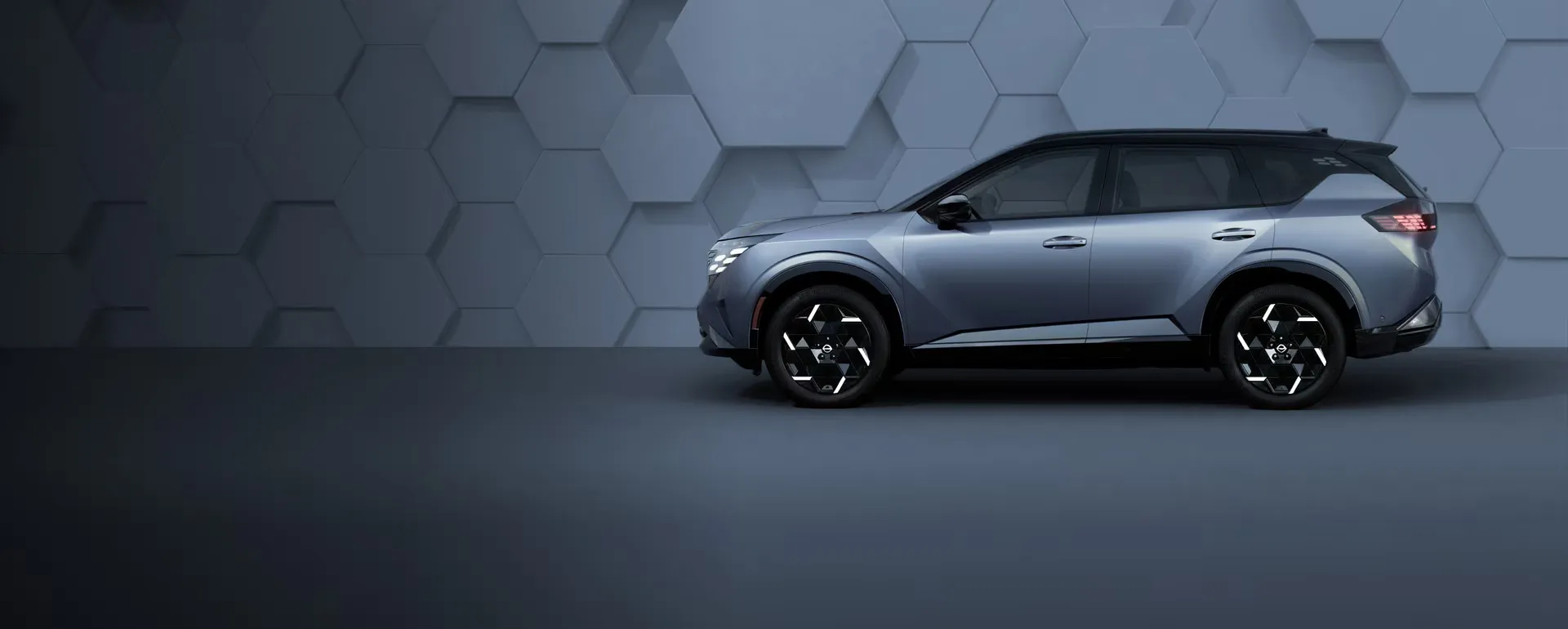
Think of a modern locomotive: the combustion engine produces the energy, the electric one does the work. The result is the brisk acceleration feel of an electric vehicle, while you refuel at the gas station as usual. The e-POWER hybrid system has been around at Nissan since 2016, first on the Note in Japan, and nearly two million e-POWER vehicles have already been driven in 68 countries. The first model expected here is the 2027 Nissan Rogue Hybrid e-POWER, featuring the third generation of the system designed specifically for Canada and the United States.
Nissan e-POWER vs. conventional hybrid: what is different?
The difference fits in one sentence: in a Nissan e-POWER hybrid, the wheels are never driven by the gasoline engine. In a conventional hybrid, they can be. Here is what that changes in real life:
- What drives the wheels: with an e-POWER system, always the electric motor. In a conventional hybrid, the gasoline engine, the electric motor, or both together.
- Driving feel: e-POWER provides the instant torque and quiet ride of an EV, without the mechanical transitions sometimes felt in a classic hybrid.
- Charging: neither one must be plugged in; the battery recharges while you drive. The nuance is the role of gasoline.
- Quebec and Ontario winters: immediate electric torque helps you pull away on a snowy hill in Grenville or on an icy on-ramp near Cornwall.
Nissan e-POWER hybrid system: is it really a plug-in hybrid?
No, and that confusion is common. The Nissan e-POWER hybrid is not a plug-in hybrid, also called PHEV. The question of Nissan e-POWER charging comes up often, so let's be clear: you never plug in an e-POWER vehicle.
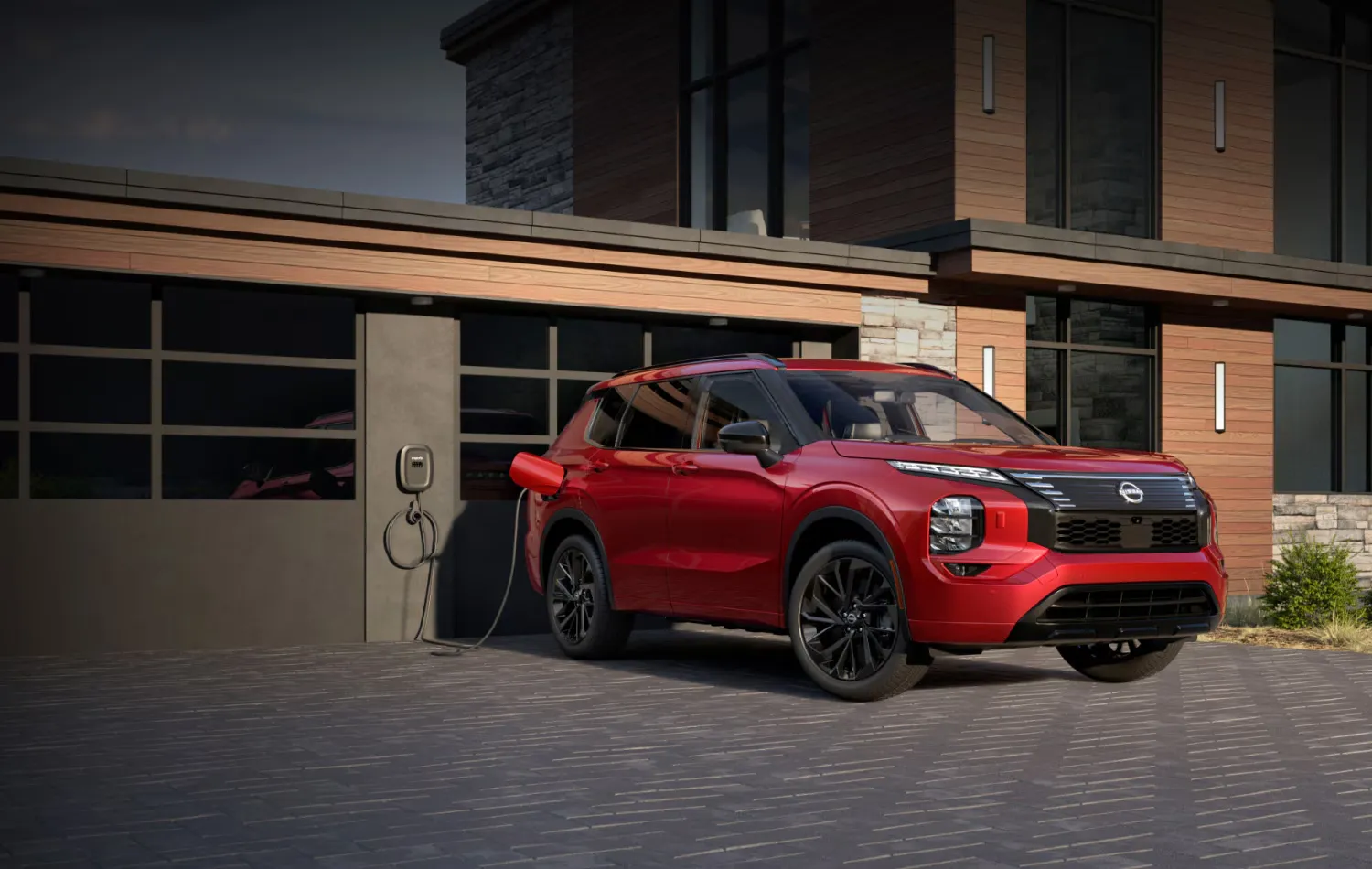
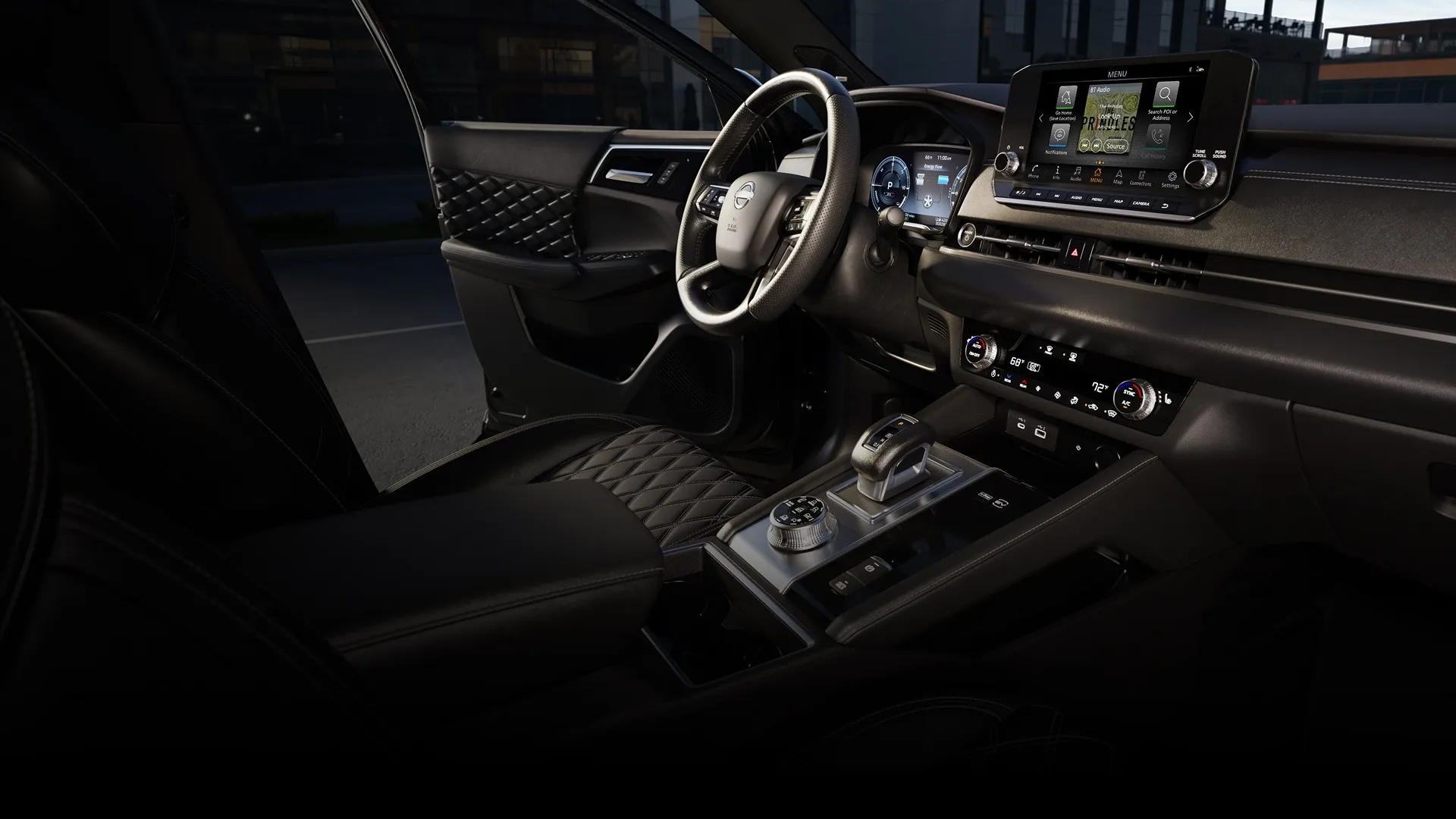
For comparison, the 2026 Rogue plug-in hybrid must be plugged in as its name suggests, and offers about 61 km of all-electric driving before switching to gasoline. The e-POWER system works differently: the battery is small, continuously recharged by the gasoline engine, and you drive on electricity without ever looking for a charging station. For someone who does not have a charger at home in Rockland or Casselman, that is a real advantage. You enjoy an electric drive without changing your routine.
Everyday benefits of the Nissan e-POWER hybrid
Beyond the theory, what does it deliver on Highway 17 or in town? Here are the tangible benefits of a Nissan e-POWER hybrid:
- Competitive consumption: e-POWER rivals top hybrids in the city, where the gasoline engine rarely runs.
- No charging station required: you eliminate range stress and charging downtime, a true asset for Nissan e-POWER range on long trips.
- One-pedal driving: regenerative braking recovers energy when you lift off the accelerator, convenient in Ottawa traffic.
- Reliability and maintenance: with no conventional transmission and no clutch, the system reduces mechanical wear. Nissan e-POWER reliability benefits from experience gathered on millions of units.
As for budget, fuel savings are felt especially in urban driving. Exact Nissan e-POWER consumption and Nissan e-POWER pricing will depend on the official Canadian trims, to be confirmed at launch. Our team can help you compare financing options based on your real-world mileage.
Which Nissan hybrid should you choose with e-POWER?
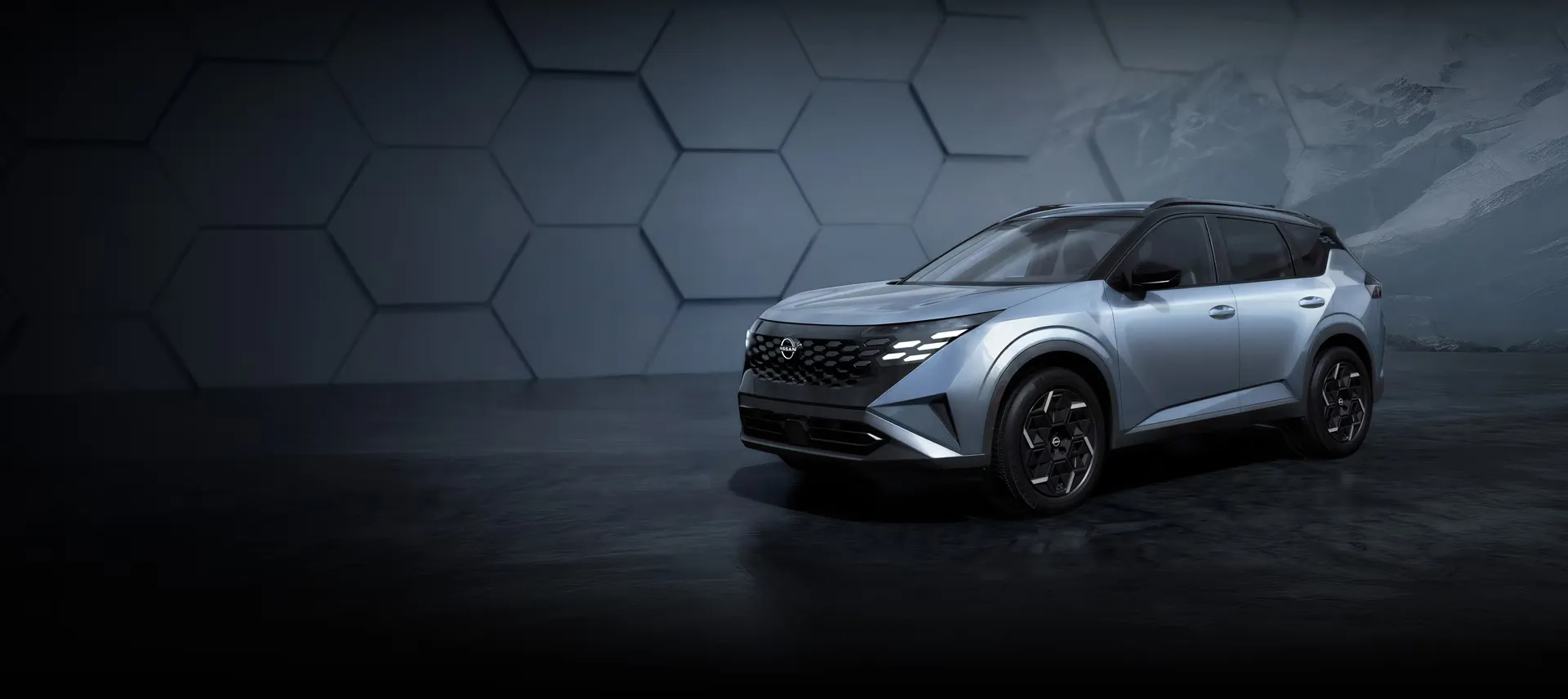
In Canada, e-POWER debuts with the 2027 Nissan Rogue Hybrid e-POWER, a compact SUV with standard dual-motor all-wheel drive, well-suited to our winters. If you are shopping now, two paths are open: wait for e-POWER to arrive, or consider the already available 2026 Rogue plug-in hybrid if you can charge at home.
A used Nissan e-POWER selection is not yet a reality in our market, since the technology is just arriving. The Nissan e-POWER market in Canada is forming right now. Meanwhile, speak with a Rendez-vous Nissan advisor who serves Hawkesbury, Grenville, Ottawa, Rockland, Casselman, and Cornwall.
The Nissan hybrid e-POWER brings electric driving to more people without the charging headache. If you are hesitating between a Nissan e-POWER hybrid, a plug-in hybrid, or a gasoline vehicle, the best move is to compare in person. Book a test drive at Rendez-vous Nissan and also take advantage of our loyalty program to enhance your next purchase.
Sources
Nissan Canada — Éducation VÉ et e-POWER : fr.nissan.ca/experience-nissan/ev-education.html
Nissan Canada — Rogue Hybrid e-POWER 2027 et Rogue hybride rechargeable 2026 : canada.nissannews.com